


Q&A with Genesis Magma Racing Sporting Director Gabriele Tarquini
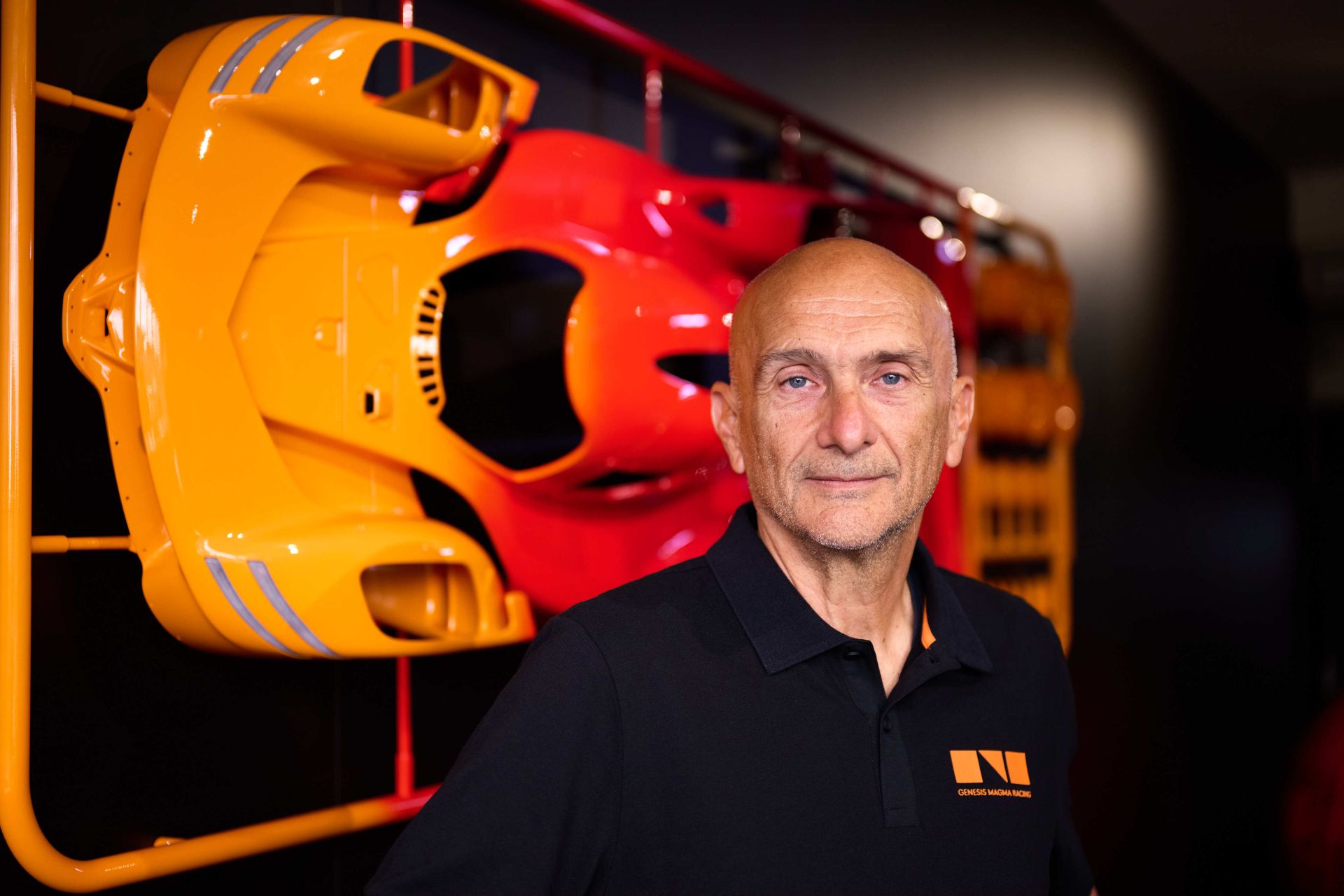
Genesis Magma Racing Sporting Director Gabriele Tarquini has been heavily involved in the team’s decision-making surrounding drivers for the 2026 World Endurance Championship (WEC). Following the recent completion of the driving roster and confirmation of the line-ups for the pair of GMR-001 Hypercar that will take to the grid, the former Touring Car star provides insight into his role within the team and the motivations behind recruiting drivers and dividing them between the two entries.
What are the main responsibilities of a Sporting Director during the testing and development of the car, and when we are racing in 2026?
“During testing, the Sporting Director, alongside the Chief Engineer and Team Manager, organises all the on-track activity, including the run plans and driver rotations, to make sure we efficiently use the track time we have. I confirm each driver’s programme and schedule, ensuring a clear relationship between the team and drivers. Working with Team Manager and engineers I am also responsible for helping to refine pitstop procedures, driver change routines and safety checks, acting as the link between management and our drivers.”
“Once Genesis Magma Racing starts to compete, I will oversee all sporting sessions of a race weekend, working on the race strategy with the rest of the team, but also co-ordinating the drivers’ schedules for the different commitments they will have at the track. The Sporting Director is also the team representative in the official briefings and in clarifying any regulations. For any incident I will be the one managing any investigations and penalties – maintaining communication with Race Control and the stewards and supporting with footage and data – and filing or responding to any protests when required.”
What skills and experience can you transfer from your driving and Team Manager role in Touring Cars into your role as GMR Sporting Director?
“So far, my experience has mainly been in sprint races, but the racing spirit doesn’t change — it just needs to be adapted to longer distances. A driver wants the same things whether he is racing for 30 minutes, or 6 hours. From my experience, I know what our drivers need during a race weekend – what information they need and when, and how I would manage a schedule to make sure I can do my job properly. My extensive experience will certainly help create harmony between the team and drivers’ needs, and a clear target when they are behind the wheel.”
We recently announced Mathieu Jaminet and Paul-Loup Chatin as our final two drivers for the 2026 season. What made them stand out from all the available drivers?
“Mathieu and Paul-Loup represent the middle point in our team – between the experience of Andre and Pipo, and the youth and motivation of Mathys and Dani. While assessing driver options we were following the WEC and IMSA championship seasons, where both Mathieu and Paul-Loup have scored great results, Mathieu winning the IMSA title and Paul-Loup scoring his first WEC win, while driving a car built around an Oreca spine, just like the GMR-001 Hypercar.
When selecting drivers what have been the key factors you and the team have considered?
“The choice of drivers is crucial to the team's success. They need to be talented, fast of course, but you also need to choose drivers who work well together on and off-track. Every driver brings their own individual racing experience and whether it’s long or short, it is very important. I think with our seven drivers we have a perfect balance of experience, youth and performance – each of which has its own advantages and it's up to us to combine all their personalities and characters to try to bring out the best in each of them. Experienced drivers are fundamental in developing a new car like our GMR-001 Hypercar, because they could immediately sense the car’s potential and quickly lead the team in the right direction. Young drivers bring the enthusiasm and optimism that will be needed through the inevitable tough moments of a season. Each influences the other – the young drivers learn from their more experienced team-mates, and the experienced drivers are pushed to perform at their peak by the new talent improving with each lap and weekend.”
How did you make the decision about the driver line-ups for the two GMR-001 Hypercar for the 2026 season?
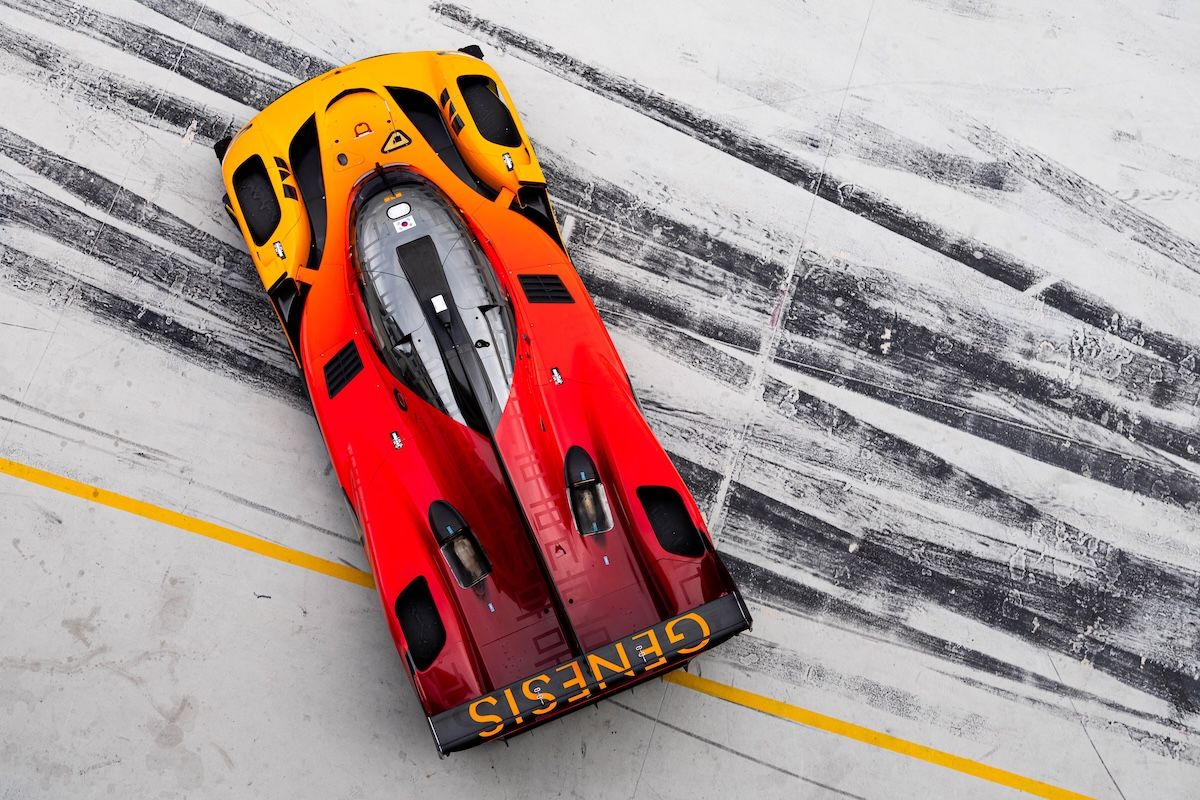
“Once we had all our drivers for the 2026 season confirmed, deciding the line-ups for the two race cars became the most important decision for Cyril Justin and myself. We wanted the strongest balance of experience and youth in each line-up. So, for example, we have André and Pipo – our most experienced drivers – together with Mathys, who is our only driver who has never raced in the WEC before. In the other car we have a great mix of Hypercar and LMDh knowledge with Mathieu and Paul-Loup, and the endurance racing experience of Dani. We analysed each driver’s performance in the tests but also listened to the feedback they gave – and how they gave it. We also evaluated which drivers communicated and worked best together outside of the car, which you get to see in the quieter moments during testing and visits to the workshop. Finally, we needed to find the best compromises in terms of drivers’ height and weight, which is important to speed up driver changes during a race and save vital seconds.”
How important has it been to get feedback from drivers with different experiences during the development of Genesis’ first race car?
“It was fundamental because, unlike other manufacturers, we couldn’t rely on existing teams and previous projects, since we were starting from scratch. However, it was important not to waste time, because the period between our first test and first race is so short. We had to choose the right people for the right positions and begin to grow straight away. After each driver’s first laps in the car, I listened to them carefully to grasp the smallest nuances of their relationship with the GMR-001 Hypercar. Each was focused on something slightly different; their emotions and words were varied, but all were aimed at improving performance and taking the next steps forward together.”

Comments
Log in to comment the article